
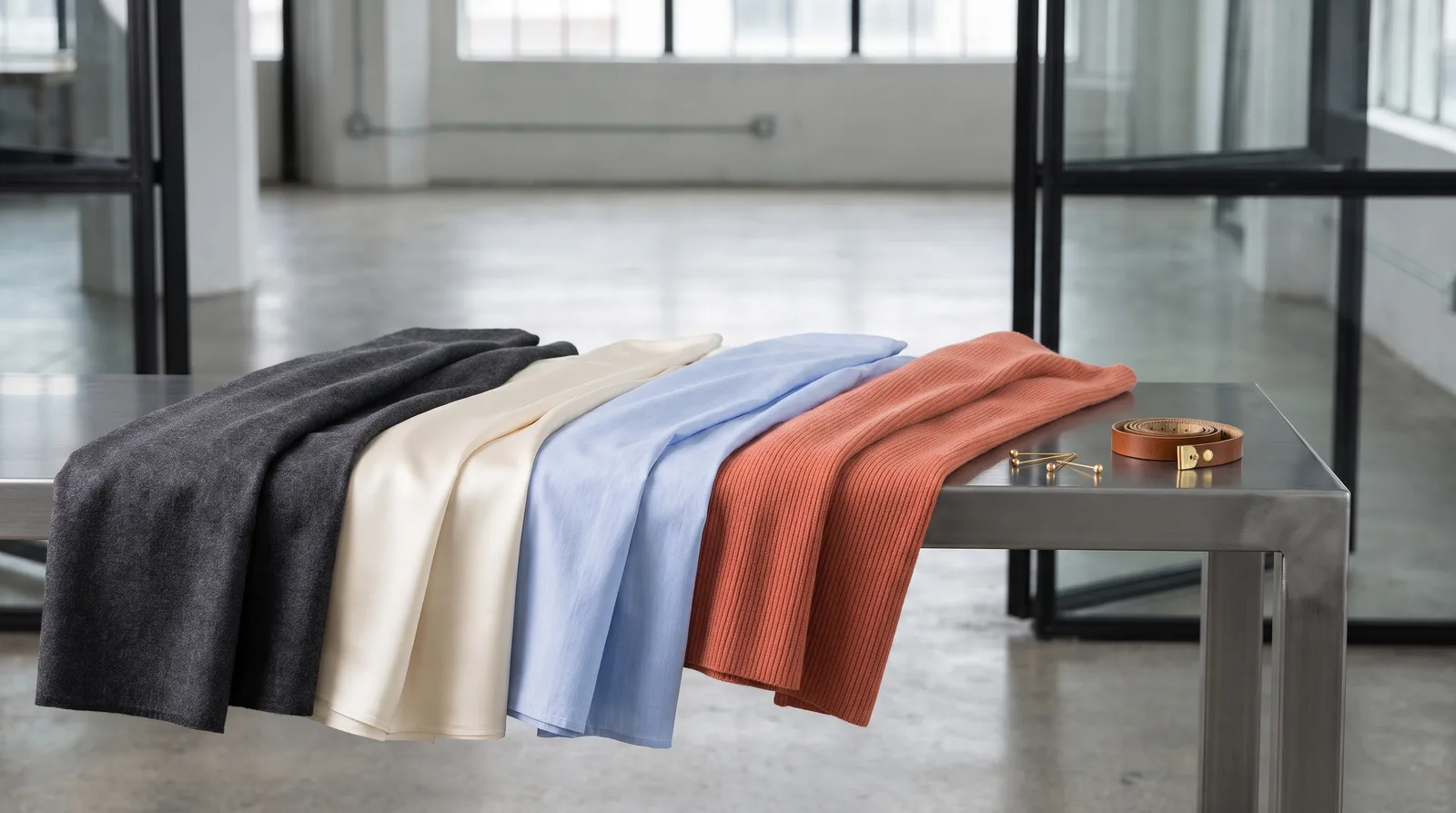
Italian textiles are not made in one place. They are made in particular valleys and plains, where the same craft has passed from hand to hand for generations. These are the districts, and they are why a fabric can be born a few kilometres from the loom that finishes it.
Prato and Biella: wool
Prato is the district of carded wool and, for a long time now, of recovery: this is where people learned to turn used cloth into new cloth. Biella is tied to fine wool and spinning, born where mountain streams powered the work.
Two neighbours in material, different in character: one works with reuse and variety, the other with fineness of yarn.
Como: silk
Como is the city of silk: weaving, printing and dyeing light fabrics that fall well. The district built its name on the quality of its colour and the precision of its pattern.
Carpi: knitwear
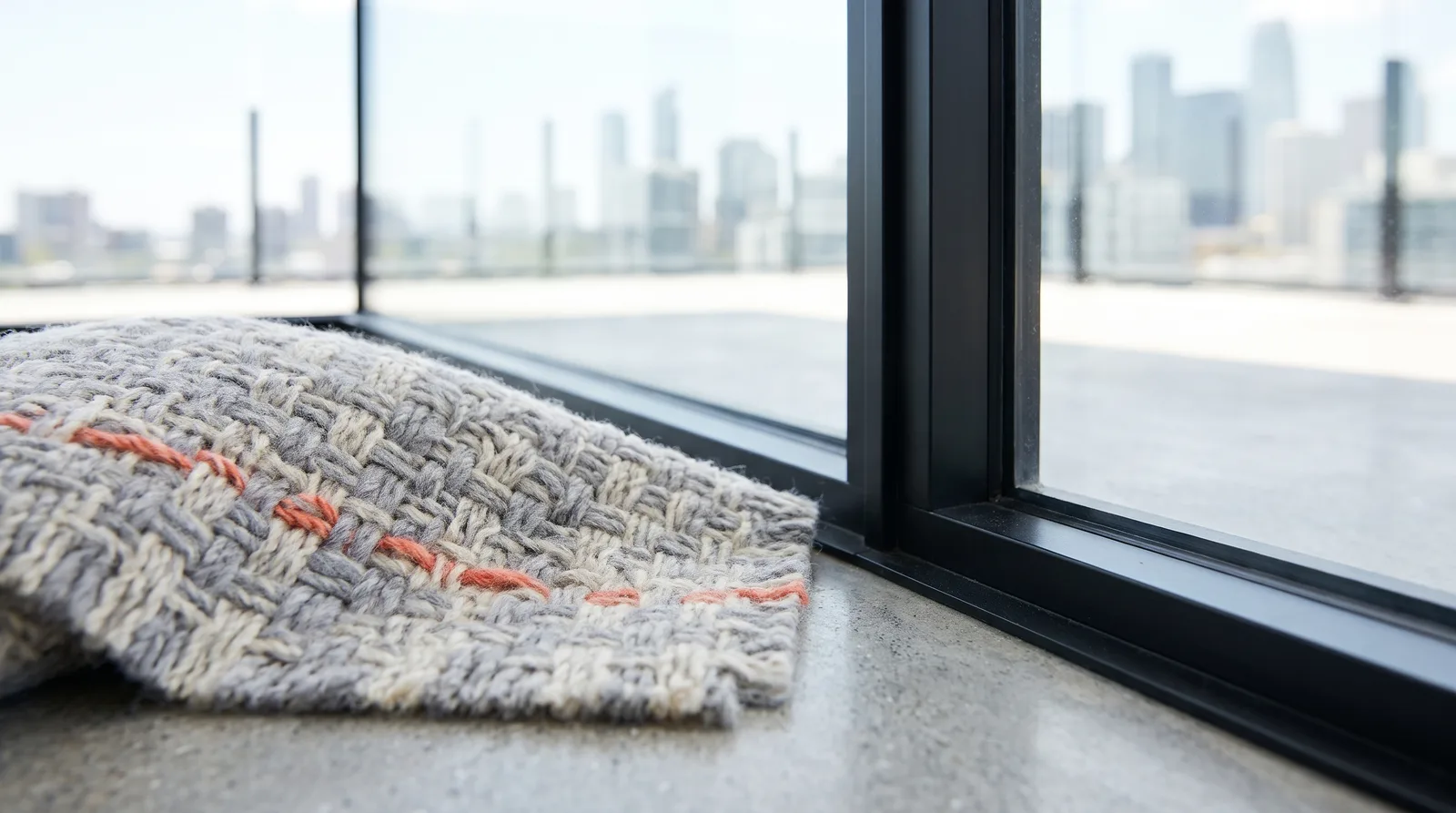
Carpi, in Emilia, is knitwear country: knitted yarns, finished garments, collections that turn over fast. A different logic from woven cloth, a different way to build a garment.
Why the district matters
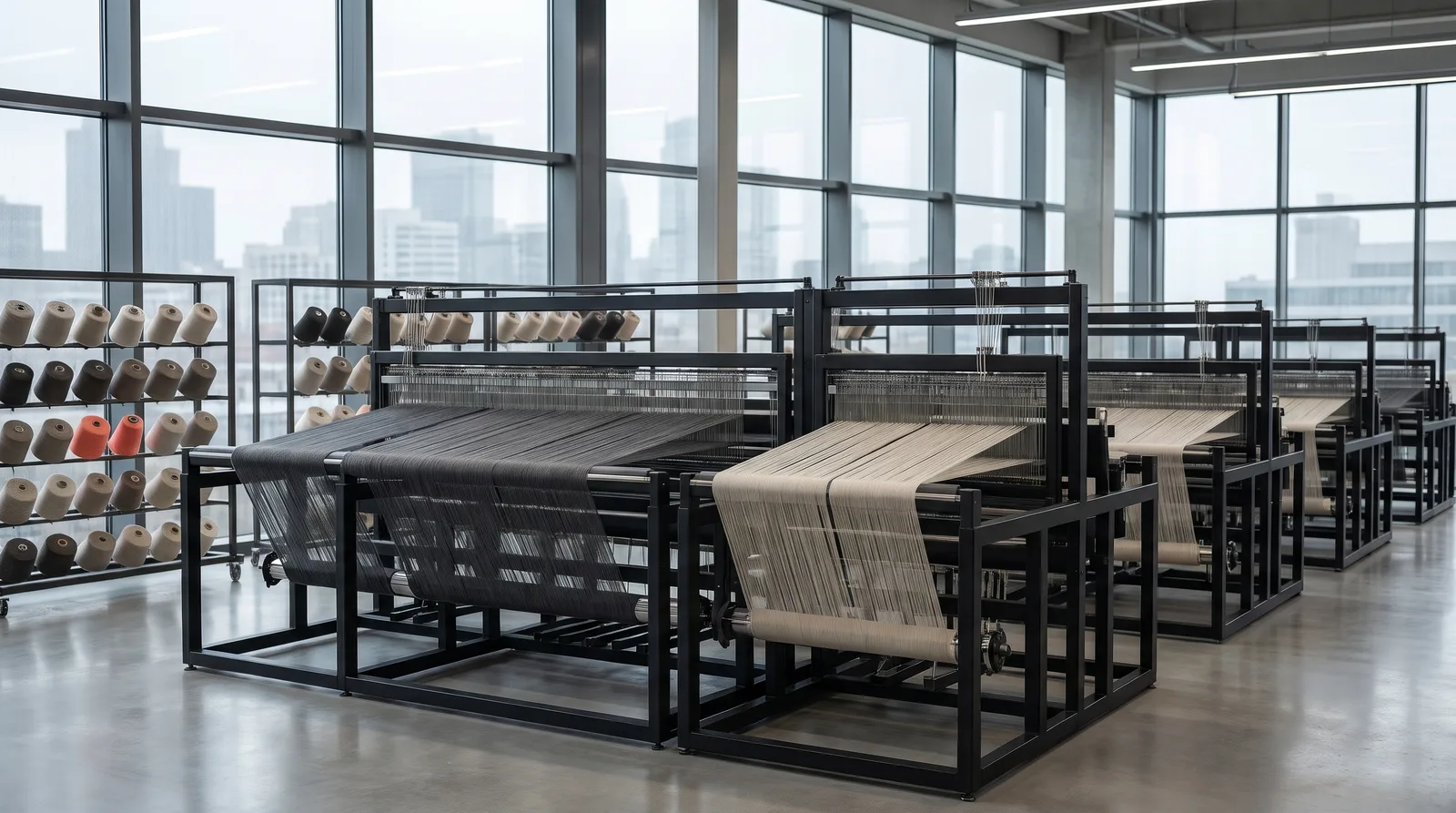
The district is an advantage because it shortens distances. The weaver, the dyer and the finisher know each other, talk, and correct each other. A flaw is solved in a day, not in a quarter.
It is not an automatic mark of quality: inside the same territory there is excellence and there is mediocrity. But a cloth with a precise origin is a cloth you can ask questions about.
For us this is daily work: at our base in Cologno al Serio, in the province of Bergamo, we have been producing since 1979 a few kilometres from the districts we describe, and we choose fabrics by looking at where they come from. Watching a garment take shape is the only way to answer for what we deliver.