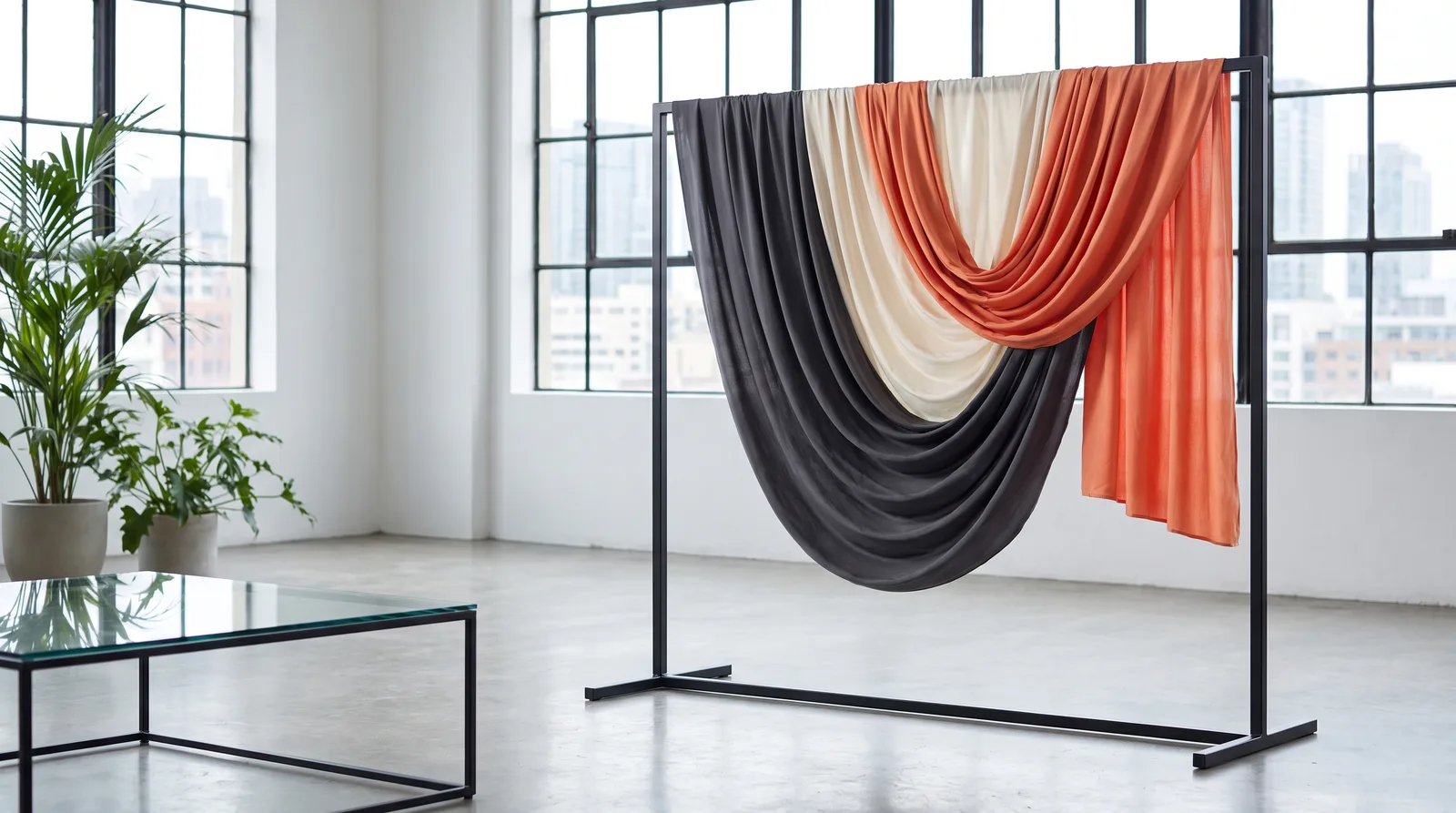
There's a question viscose has carried for years, and it isn't rhetorical: where does the wood come from that becomes this soft, light fabric with a drape few others can match? The answer isn't always the same — and the difference between a good answer and a bad one is measured in forests.
Where Viscose Actually Comes From
Viscose is made from wood cellulose — eucalyptus, beech, bamboo, depending on the producer — chemically dissolved and spun into continuous fibre. It's an industrial process on a huge scale: an estimated 150 million trees are logged worldwide every year to become fabrics like this one. The issue isn't the wood itself, renewable by definition when managed well. It's which forest it comes from: a share of global dissolving-pulp demand still comes from ancient and endangered forests, the kind that don't grow back within a human generation.
Deforestation Risk, Measured
For years the viscose supply chain was among the least transparent in textiles: few brands actually knew which forest their fabric's pulp came from. The CanopyStyle initiative changed that, building a producer scorecard — the annual Hot Button Report — that gives each one a "shirt": green for those who demonstrate, across 25 objective criteria worth up to 40 points, low risk of sourcing from ancient forests; red for those who don't. In the 2024 report, 71% of rated producers — representing 53% of the global supply of viscose, rayon, lyocell and other man-made cellulosic fibres — reached green or dark green status. That's real progress, not a solved problem: nearly half of global production still falls short of that bar.
Lyocell, the Closed-Loop Route
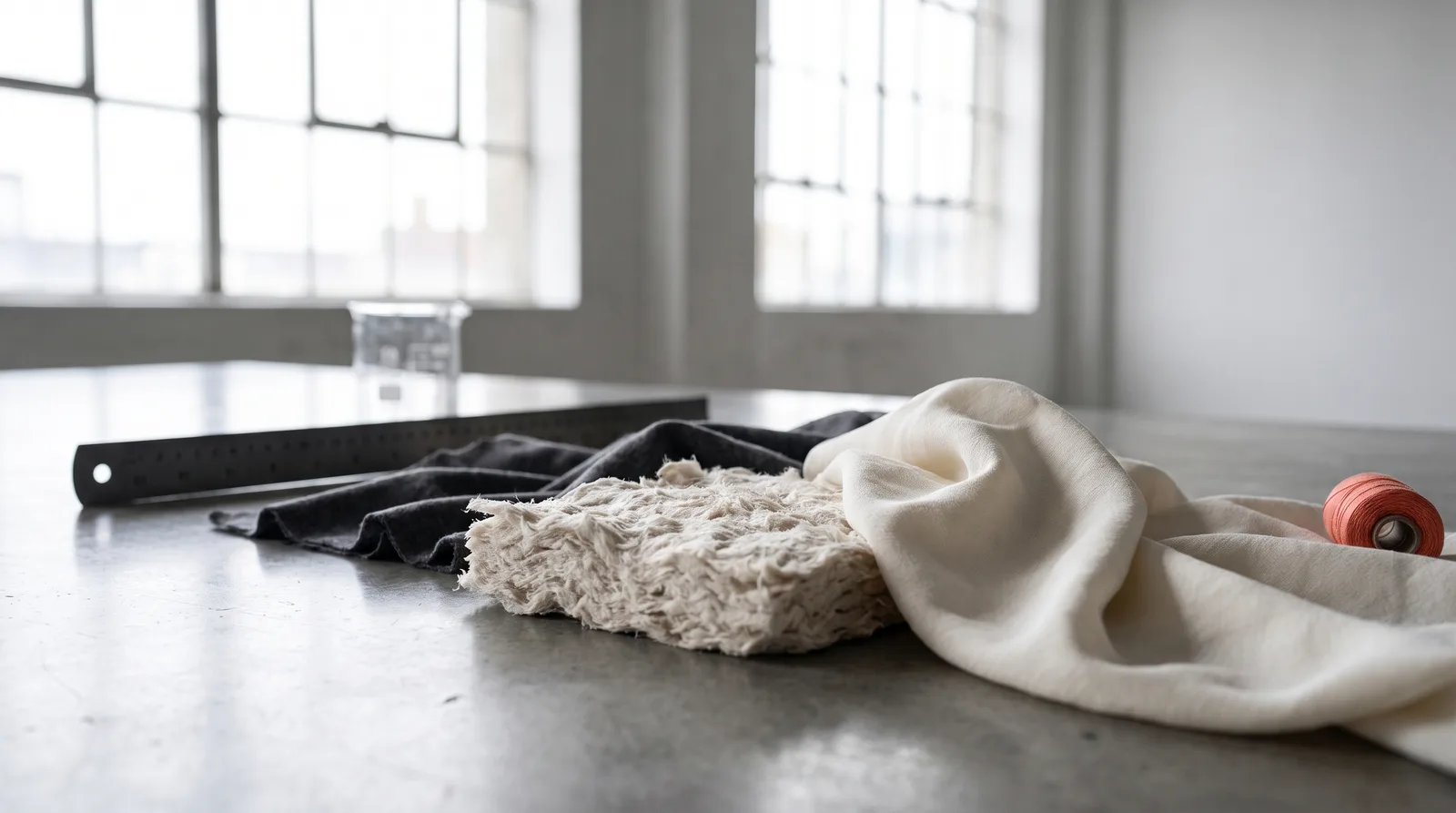
Within the same family of man-made cellulosic fibres — which together make up about 6% of the global fibre market — lyocell follows a different process from traditional viscose. The solvent that dissolves the wood pulp is recovered and put back into circulation instead of being discharged after every cycle: a closed-loop system that meaningfully cuts the chemical footprint of production. It isn't automatically a guarantee of safe sourcing — the raw pulp still needs to be verified at the source — but paired with certified pulp, it's currently one of the most solid routes to a man-made cellulosic that asks no compromise on either the fabric's hand or its origin.
What We Look For, When We Choose Viscose
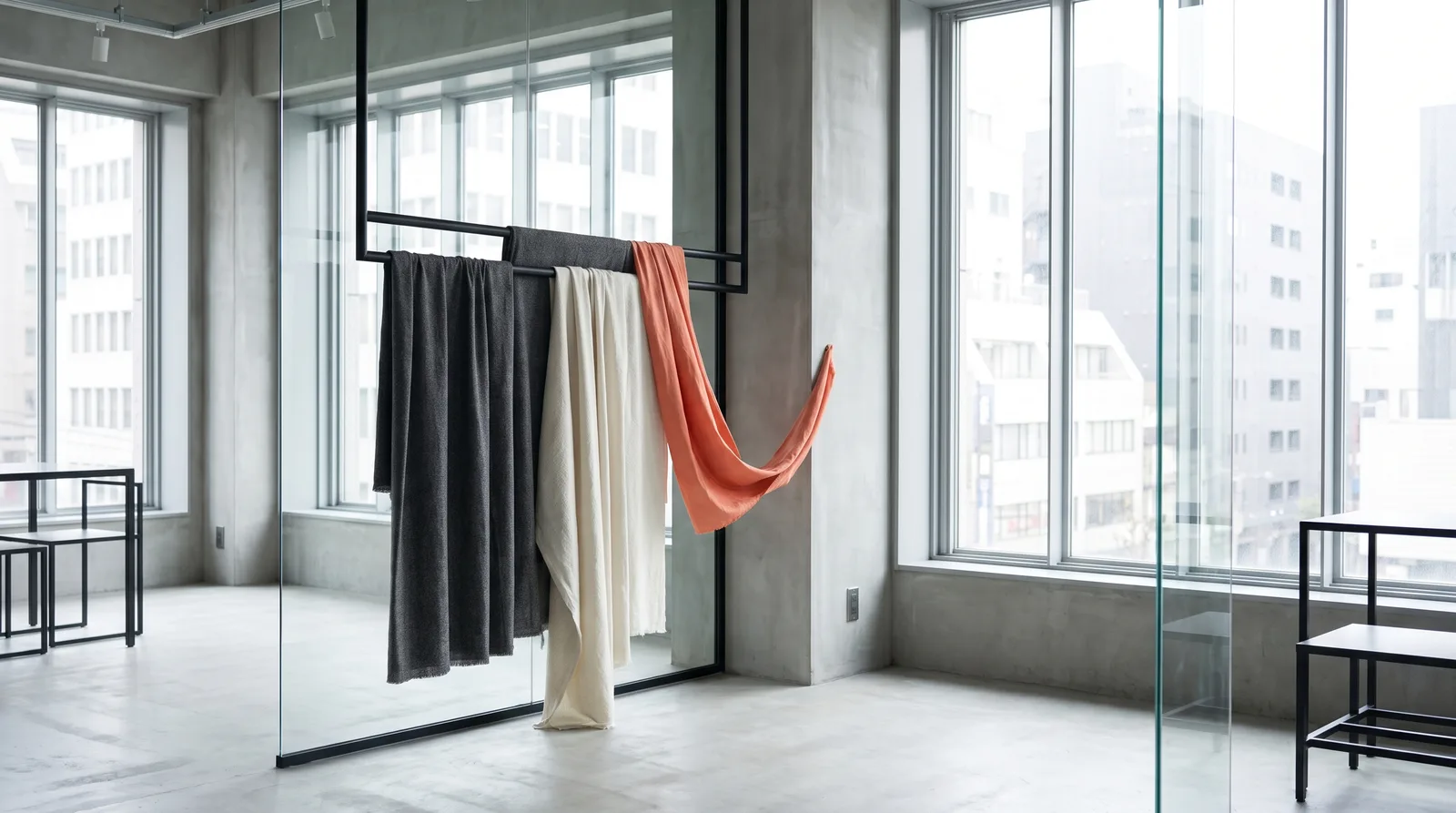
We don't plant forests, and we don't certify producers — that's the job of organisations built for it. What we can control, as a manufacturer, is who we turn to when a viscose or lyocell fabric enters a production run, asking for pulp traceability and not just a composition label. It's the same standard we apply in our own facility in Cologno al Serio, near Bergamo, where we have developed patterns and made garments since 1979: raw material gets checked before it's worked, not after it's sold.